In today’s competitive digital marketplace, businesses need effective ways to reach potential customers and promote their products or services online. While organic marketing strategies such as SEO help build long-term visibility, paid advertising can provide an additional way to reach targeted audiences.
This is where PPC & Google Ads become important.
Pay-Per-Click (PPC) advertising allows businesses to display advertisements across digital platforms and pay when users interact with their ads through clicks. Google Ads is one of the most widely used advertising platforms, helping businesses reach people who are actively searching for relevant products and services.
Whether you operate a pharmaceutical company, e-commerce store, manufacturing business, or professional service organization, a well-managed PPC campaign can support your digital marketing goals.
In this guide, we will explore what PPC advertising is, how Google Ads works, its benefits, and how businesses can create effective advertising campaigns.
What Is PPC Advertising?
PPC stands for Pay-Per-Click. It is an online advertising model in which advertisers generally pay when someone clicks on their advertisement.
Businesses use PPC campaigns to promote products, services, websites, and special offers across search engines and other advertising platforms.
Common PPC advertising activities include:
Keyword-based search advertising
Display advertising
Shopping advertisements
Video advertising
Remarketing campaigns
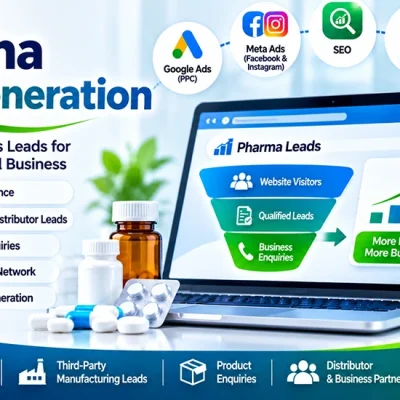
Lead generation campaigns
Campaign performance tracking
PPC allows businesses to reach audiences based on factors such as search queries, location, interests, and campaign settings.
What Is Google Ads?
Google Ads is Google’s online advertising platform that allows businesses to create and manage paid advertising campaigns.
Advertisers can use Google Ads to reach potential customers across Google’s advertising network, including Google Search, YouTube, and participating websites and apps, depending on the campaign type.
Common Google Ads campaign types include:
1. Google Search Ads
Search ads appear in Google search results when users search for relevant terms.
For example, a business offering website development services may create campaigns targeting searches related to professional website development.
Search campaigns can help businesses reach users who are actively looking for specific products or services.
2. Google Display Ads
Display advertising allows businesses to show visual advertisements across eligible websites and apps in Google’s Display Network.
These advertisements can help increase brand awareness and reach relevant audiences.
3. Google Shopping Ads
Shopping campaigns allow eligible retailers to promote products using product information such as images, titles, prices, and store details.
They are particularly useful for e-commerce businesses that want to showcase products to potential buyers.
4. YouTube Video Ads
YouTube advertising allows businesses to reach audiences through video advertisements.
Companies can use video campaigns to introduce their brand, demonstrate products, and communicate important business information.
5. Performance Max Campaigns
Performance Max is a Google Ads campaign type that uses automation to help advertisers access multiple Google advertising channels through a single campaign.
Its performance depends on campaign objectives, conversion tracking, creative assets, audience signals, and other settings.
Why Are PPC & Google Ads Important for Businesses?
Paid advertising can support business growth when campaigns are planned around clear objectives and relevant audiences.
1. Reach Your Target Audience
Google Ads provides targeting options that help businesses reach users based on search queries, locations, audiences, and campaign settings.
This allows businesses to focus their advertising efforts on people who may be interested in their products or services.
2. Generate Relevant Website Traffic
Search advertising can help attract users who are actively searching for relevant products and services.
A properly structured campaign can direct visitors to suitable landing pages and service pages.
3. Generate Business Leads
PPC campaigns can support lead generation through website enquiry forms, phone calls, and other conversion actions.
Businesses should create clear landing pages with relevant information and simple contact options.
4. Control Advertising Budgets
Google Ads allows advertisers to set campaign budgets and manage bids according to their marketing objectives.
Regular monitoring helps businesses understand advertising costs and make informed budget adjustments.
5. Measure Campaign Performance
Advertising platforms provide performance data that helps businesses evaluate their campaigns.
Advertisers can monitor impressions, clicks, conversions, cost per click, and other relevant metrics.
Effective PPC & Google Ads Strategies
A successful advertising campaign requires proper research, planning, targeting, and continuous optimization.
1. Conduct Proper Keyword Research
Keyword research helps identify the search terms potential customers use when looking for your products or services.
Consider the following while selecting keywords:
Search intent
Business relevance
Competition
Estimated advertising costs
Keyword match types
Negative keywords
Choose keywords that match your campaign goals rather than targeting every available search term.
2. Create Compelling Ad Copy
Your advertisement should communicate the main benefit of your product or service clearly.
Effective ad copy generally includes:
Relevant headlines
Clear service information
Useful descriptions
Relevant calls to action
Consistent messaging with the landing page
Avoid misleading claims and make sure advertisements accurately represent your business.
3. Optimize Landing Pages
A landing page is where users arrive after clicking an advertisement.
It should provide information relevant to the ad and make it easy for visitors to take the next step.
Important landing page elements include:
Clear headline
Relevant service information
Mobile-friendly design
Fast loading speed
Visible contact information
Simple enquiry forms
Clear calls to action
4. Use Location Targeting
Location targeting helps businesses focus campaigns on selected geographical areas.
For example, a company offering services in Chandigarh, Mohali, and Zirakpur may configure its campaigns around those locations, depending on its service coverage.
5. Track Conversions
Conversion tracking helps businesses understand whether advertising clicks lead to valuable actions.
Depending on campaign objectives, conversions may include:
Contact form submissions
Phone calls
Product purchases
Appointment requests
Enquiry submissions
Accurate tracking is important for evaluating campaign performance and making optimization decisions.
6. Monitor and Optimize Campaigns
PPC campaigns require regular monitoring.
Review search terms, keyword performance, advertising costs, landing page performance, and conversion data.
Use these insights to improve campaign structure, targeting, ad copy, and budget allocation.
PPC Advertising for Pharmaceutical Companies
Pharmaceutical companies may use digital advertising to promote suitable business-related services and reach relevant audiences.
For example, campaigns may focus on:
Pharmaceutical manufacturing enquiries
PCD pharma franchise business enquiries
Third-party manufacturing services
Pharmaceutical website development
Business-to-business distribution opportunities
However, pharmaceutical and healthcare advertising is subject to additional restrictions.
Before launching campaigns, businesses should review applicable laws, Google Ads policies, product-specific restrictions, licensing requirements, and advertising guidelines.
Advertisements should avoid unsupported medical claims and prohibited promotional content.
Common PPC & Google Ads Mistakes to Avoid
Businesses can waste advertising budgets when campaigns are not properly planned or monitored.
Some common mistakes include:
Choosing irrelevant keywords
Ignoring negative keywords
Using unclear ad copy
Sending visitors to unrelated landing pages
Not tracking conversions
Ignoring mobile users
Setting budgets without clear objectives
Failing to review search terms
Making frequent changes without evaluating performance
Avoiding these mistakes can help businesses manage campaigns more effectively.
How to Choose the Right PPC & Google Ads Agency?
Choosing a suitable advertising partner is important for managing campaigns efficiently.
Before selecting an agency, consider the following:
Review its advertising experience and portfolio.
Understand its keyword research process.
Ask how campaign budgets are managed.
Check its approach to conversion tracking.
Understand its landing page optimization process.
Ask about reporting and communication.
Confirm that your business retains access to its advertising account.
Avoid unrealistic promises about guaranteed leads or sales.
A reliable agency should explain its advertising strategy and provide transparent performance reporting.
Why Choose AYUSHINFO SOLUTIONS for PPC & Google Ads?
Successful paid advertising requires more than creating advertisements. It involves audience research, keyword selection, campaign planning, landing page optimization, and regular performance analysis.
AYUSHINFO SOLUTIONS provides digital marketing solutions designed to help businesses strengthen their online presence.
Our digital advertising services include:
Google Ads Campaign Management
PPC Advertising
Google Search Ads
Display Advertising
Keyword Research
Landing Page Optimization
Conversion Tracking Setup
PPC Campaign Performance Analysis
Business Lead Generation Campaigns
Whether you are planning your first advertising campaign or looking to improve existing campaigns, the right PPC strategy can help align your advertising activities with your business objectives.
Conclusion
PPC & Google Ads provide businesses with opportunities to reach relevant audiences, promote their products and services, and generate measurable website traffic.
By focusing on keyword research, relevant targeting, effective ad copy, optimized landing pages, and accurate conversion tracking, businesses can develop more structured advertising campaigns.
Paid advertising works best when supported by a clear marketing strategy and continuous performance analysis.
If you want to explore paid advertising for your business, AYUSHINFO SOLUTIONS can help you understand suitable PPC and Google Ads solutions.
Contact our team to discuss your PPC advertising requirements.
Frequently Asked Questions (FAQs)
1. What is PPC advertising?
PPC stands for Pay-Per-Click. It is an online advertising model in which advertisers generally pay when someone clicks on their advertisement.
2. What is Google Ads used for?
Google Ads helps businesses create paid advertising campaigns to promote products and services across eligible Google advertising channels.
3. What is the difference between PPC and SEO?
PPC uses paid advertisements to reach audiences, while SEO focuses on improving a website’s visibility in unpaid organic search results.
4. How much does Google Ads cost?
Google Ads costs depend on factors such as industry competition, keywords, bidding strategy, targeting, and campaign objectives. Advertisers can set budgets according to their requirements.
5. Can Google Ads generate business leads?
Yes. Search and other suitable advertising campaigns can generate business enquiries when they use relevant targeting, effective advertisements, and well-designed landing pages.
6. How long does it take to see results from Google Ads?
Advertisements may start receiving impressions and clicks after campaigns become eligible to run. However, meaningful performance evaluation requires sufficient data and ongoing optimization.
7. Is Google Ads suitable for small businesses?
Yes. Small businesses can use Google Ads with carefully selected keywords, suitable geographical targeting, controlled budgets, and clear campaign objectives.
8. What is conversion tracking in Google Ads?
Conversion tracking measures valuable actions taken after users interact with advertisements, such as purchases, form submissions, and phone calls.